

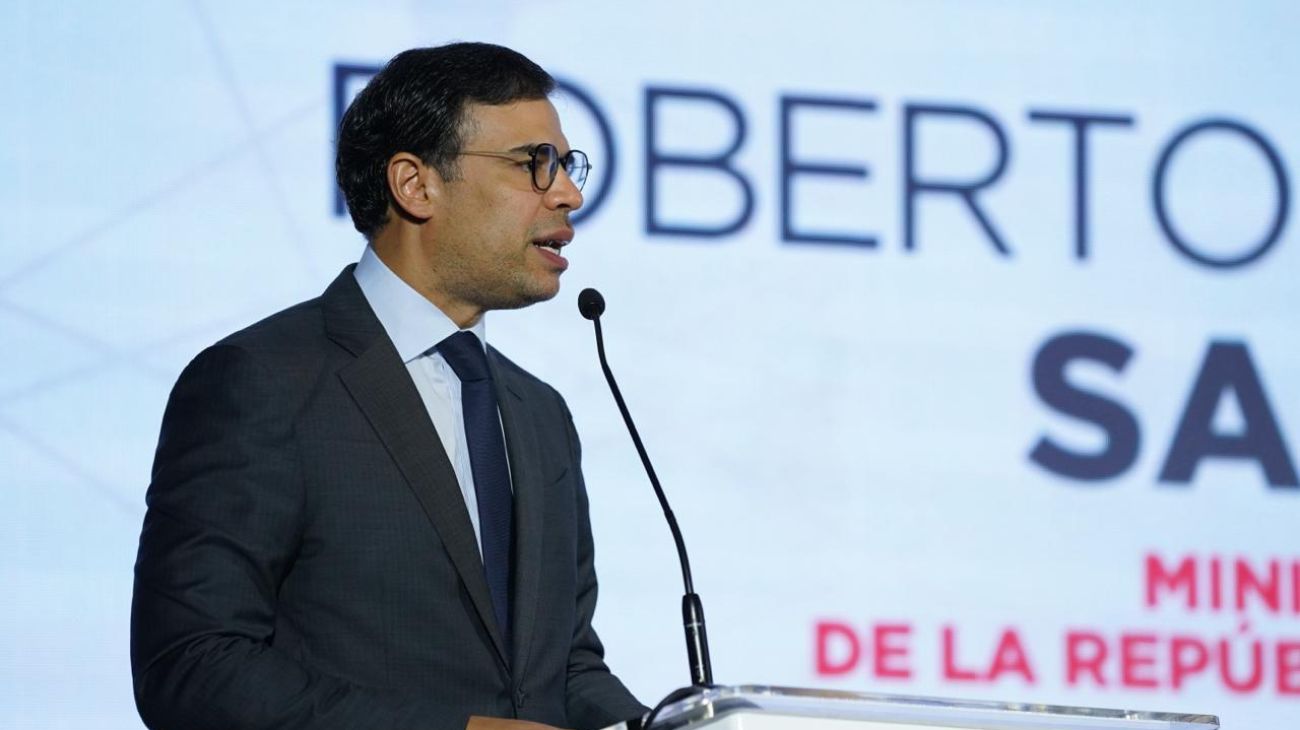
SANTO DOMINGO, Dominican Republic – The Dominican Ministry of Culture recently launched its first International Congress of Cultural Innovation, convening experts and stakeholders to bolster the digital transformation of the nation's cultural and creative sectors. Minister Roberto Ángel Salcedo inaugurated the daylong event, held at the Catalonia hotel, which focused on leveraging innovation, sustainability, and inclusion.
The congress brought together cultural managers, artists, technologists, researchers, entrepreneurs, and international experts. Its primary objective was to connect Dominican creativity with global circuits for cultural production, circulation, and consumption.
Discussions centered on the digital cultural economy, specifically its management, innovation, and circulation. Key topics included content monetization, evolving business models, and the challenges of scalability and internationalization for the wider Caribbean region.
The inaugural session featured a keynote address titled “New Audiences, New Logics: Culture and Artificial Intelligence,” delivered by Javier Iturralde de Bracamonte. He demonstrated how artificial intelligence (AI) is redefining strategies for cultural creation, mediation, and participation, enabling personalized experiences, audience analytics, and the generation of interactive content.
Additionally, a panel discussion on “Public Policies for the Digital Transformation of Culture” took place, moderated by Kaking Choi. Representatives from the Dominican Institute of Telecommunications (Álvaro Nadal), the National Copyright Office (Lucía Castillo), the Ministry of Public Administration (Ginsy Aguilera), and Ogtic addressed critical areas such as connectivity, copyright, digital government, and AI applications in culture.
During the mid-morning session, the panel “Heritage Management and Digital Memory,” moderated by Pamela Martínez, brought together Eric Borbón (digital heritage conservation and documentation), Rafael Vargas (immersive culture and AI ecosystems), and Gamal Michelén (heritage management and digital memory). They explored methodologies for activating cultural heritage through visual aesthetics, immersive environments, and multimedia creation.
At midday, a conversation titled “Cultural Entrepreneurship in the Digital Age,” moderated by Luis Reynaldo Pérez, featured Wilson Betances, José Ventura, Porfirio Piña, and Rony Ávila. They delved into topics like artificial intelligence, immersive experiences, music distribution, animation, and digital positioning strategies.
In the afternoon, the panel “Cultural Creation and Expanding Digital Projects,” moderated by Gary Ruiz, showcased various case studies. These included videomapping and immersive installations by Jorge Lulo/Mr. Lulo, immersive heritage experiences by Elvin Díaz, and the transition from installation art to the metaverse by Raúl Morilla. The discussion emphasized processes, lessons learned, and technical challenges.
Separately, the session on “Cultural Dissemination Strategies,” moderated by Alfonso Quiñones, featured Alan Delmonte and Miguelina Feris Abreu. They analyzed cultural outreach on digital platforms, underscoring the importance of community building, content curation, and opportunities for monetization and creative education.
The conversation “Dominican 'Gamer' Culture,” moderated by Werner Olmos, convened specialists who discussed the development of the country's video game sector and its cultural and economic impact.
The day concluded with a conference titled “Artificial Intelligence for the Development of Cultural and Creative Industries in the Region,” led by Victoria Tobar Roa. The congress culminated in the signing of the Declaration of Cultural Innovation, a document promoting digital transformation and cooperation within the cultural sector.
Sources
Related News
World Bank Officials Praise Dominican Republic's Economic Stability
3 min read
Dominican Republic Launches $106 Million Fund for Irrigation Upgrade
3 min read
Dominican Republic to Overhaul 496 Schools with RD$2 Billion Investment
3 min read
Dominican Government Settles $104 Million Debt with Small Farmers
3 min read